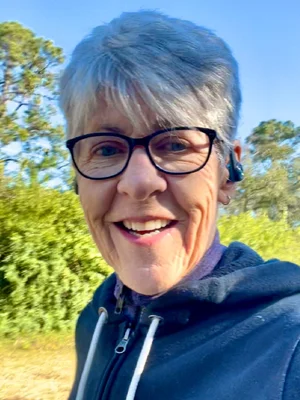
What if the best way to become a runner is not to start by running? In this episode of the Beginner Runner Podcast, I share a simple path for true beginners: walk first, run a little, and then, only when your body is ready, run a little more.
The goal is not to suffer through a rigid plan but to build fitness, confidence, and the identity of a lifelong runner, one manageable step at a time.
I recall dreading the annual 600-yard run in high school, but years later, after the birth of my daughter, I tried again with an ultra-gradual approach and eventually became a devoted runner.
That experience replaced an old memory of pain and failure with a love of running and became the foundation of how I coach beginners.
My method rejects the idea that everyone should progress on the same calendar. Most beginner plans are organized by weeks, with each week getting progressively harder, but your body does not know what week it is.
Instead, I organize training into levels. You repeat each level as long as needed and advance only when the current workout feels unmistakably easy.
This patient approach is especially helpful for people starting with little fitness, returning after time away, or working from home and struggling with too much sitting, isolation, low energy, or weight gain.
Running can offer far more than a medal. It can provide stress relief, purpose, confidence, adventure, friendship, and support through difficult times. I’ve watched running help people cope with loss and create friendships that feel like family. I want the relaunched podcast and my online community to offer that same connection.
This episode also answers common beginner questions.
Should you run nonstop until you cannot continue?
Is walking allowed?
Should you train every day?
Should you push through pain?
The message is simple: you do you. Your first assignment is to become a mover before trying to become a runner. If you are inactive now, start with what feels good and gradually work toward walking a couple of miles on most days.
No amount of movement is too small. Walking improves stamina, prepares the body for walk/run training, and creates the habit of getting out the door. My larger goal is for you to enjoy the process enough to keep running for life.
As John Bingham said, “The miracle isn’t that I finished. The miracle is that I had the courage to start.”
The next Beginner Runner episode will outline the journey from not running at all to making running as automatic as brushing our teeth. Visit BeginnerRunner.com to access a 7-day free trial of my Skool community for podcast listeners. You’ll have access to a detailed 39-level 10 Steps to 2 Miles schedule, masterclasses, and most importantly, a monthly zoom call with me that I call ‘beginner dinner’ every second Thursday. If you decide to stay, the fee is just $12 a month. Think of it like buying me two cups of coffee.
Listeners near Tampa can also visit RunTampa.com to join my local running family for a Saturday group run.